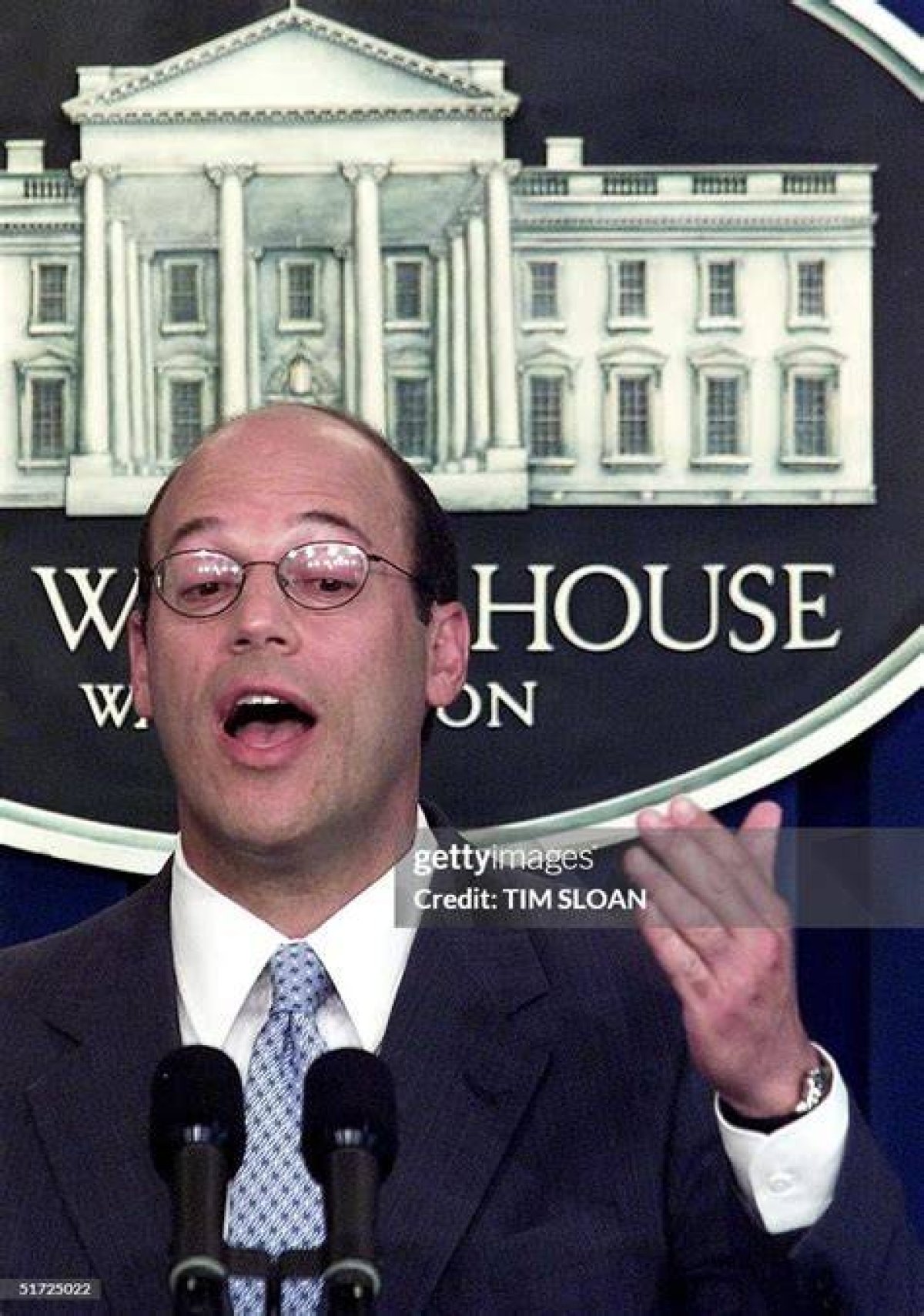
"First Wives Club: Why Did Ari Leave?" refers to the departure of Ari Fleischer, the former White House Press Secretary, from the popular CBS sitcom "The First Wives Club" in 2000.
Fleischer's decision to leave the show was a significant event, as he was a prominent cast member and a key part of the show's comedic dynamic. His departure was reportedly due to a desire to return to politics and focus on his career as a Republican strategist.
The impact of Fleischer's departure was felt throughout the show's remaining seasons, as the writers struggled to find a suitable replacement for his character. The show was eventually canceled in 2006, after six seasons.
First Wives Club
The departure of Ari Fleischer from the sitcom "The First Wives Club" in 2000 was a significant event that had a lasting impact on the show. Here are nine key aspects related to this topic:
- Departure: Fleischer left the show after two seasons to return to politics.
- Replacement: The show struggled to find a suitable replacement for Fleischer's character.
- Impact: Fleischer's departure was felt throughout the show's remaining seasons.
- Cancellation: The show was eventually canceled in 2006, after six seasons.
- Reason: Fleischer's desire to return to politics was the primary reason for his departure.
- Politics: Fleischer is a prominent Republican strategist who served as White House Press Secretary under President George W. Bush.
- Comedy: Fleischer's character on "The First Wives Club" was known for his comedic timing and sharp wit.
- Show: "The First Wives Club" was a popular CBS sitcom that ran from 1996 to 2006.
- Cast: The show featured an ensemble cast that included Diane Keaton, Goldie Hawn, and Bette Midler.
Fleischer's departure from "The First Wives Club" is a reminder of the challenges that sitcoms face when a key cast member leaves. The show was never able to fully recover from Fleischer's absence, and it was eventually canceled after six seasons. Fleischer's decision to leave the show was a significant moment in the history of "The First Wives Club," and it had a lasting impact on the show's legacy.
| Name: | Ari Fleischer ||---|---|| Born: | October 14, 1960 || Birthplace: | New York City, New York || Occupation: | Political strategist, author, and television commentator || Political party: | Republican || Education: | Columbia University, Harvard Law School || Spouse: | Becki Davis || Children: | Three |Departure
The departure of Ari Fleischer from the sitcom "The First Wives Club" after two seasons to return to politics is a significant event that highlights the challenges that sitcoms face when a key cast member leaves. Fleischer was a prominent cast member and a key part of the show's comedic dynamic. His departure left a void that the show was never able to fully fill.
Fleischer's decision to leave the show was driven by his desire to return to politics. He is a prominent Republican strategist who served as White House Press Secretary under President George W. Bush. Fleischer's departure from "The First Wives Club" is an example of how a personal decision can have a major impact on a television show.
The departure of a key cast member can be a major challenge for any sitcom. The show's writers and producers must find a way to replace the actor and maintain the show's comedic dynamic. In the case of "The First Wives Club," the show's writers struggled to find a suitable replacement for Fleischer's character. The show was eventually canceled in 2006, after six seasons.
The departure of Ari Fleischer from "The First Wives Club" is a reminder of the importance of key cast members to a sitcom's success. When a key cast member leaves, the show's writers and producers must find a way to replace the actor and maintain the show's comedic dynamic. If they are unable to do so, the show may be canceled.
Replacement
The departure of Ari Fleischer from the sitcom "The First Wives Club" after two seasons to return to politics left a void that the show struggled to fill. Fleischer was a prominent cast member and a key part of the show's comedic dynamic. His departure left the show's writers and producers with the challenge of finding a suitable replacement.
The show's writers and producers auditioned several actors to replace Fleischer, but they were unable to find anyone who could match his comedic timing and chemistry with the other cast members. The show's ratings began to decline after Fleischer's departure, and it was eventually canceled in 2006, after six seasons.
The inability of the show's writers and producers to find a suitable replacement for Fleischer is a reminder of the importance of key cast members to a sitcom's success. When a key cast member leaves, the show's writers and producers must find a way to replace the actor and maintain the show's comedic dynamic. If they are unable to do so, the show may be canceled.
The case of "The First Wives Club" is not unique. Many other sitcoms have struggled to find suitable replacements for key cast members who have left the show. This is because key cast members often bring a unique combination of talent, charisma, and comedic timing to a show. When they leave, it can be difficult to find someone who can fill their shoes.
The inability of the show's writers and producers to find a suitable replacement for Fleischer is a reminder of the importance of key cast members to a sitcom's success.
Impact
The departure of Ari Fleischer from the sitcom "The First Wives Club" after two seasons to return to politics had a significant impact on the show's remaining seasons. Fleischer was a prominent cast member and a key part of the show's comedic dynamic. His departure left a void that the show's writers and producers were never able to fully fill.
The impact of Fleischer's departure was felt in several ways. First, the show's ratings began to decline after Fleischer left. This is likely because Fleischer was a popular character with viewers. His departure left a void that the show's other cast members were unable to fill.
Second, the show's comedic dynamic changed after Fleischer left. Fleischer was a gifted comedian who brought a unique energy to the show. His departure left the show feeling flat and unfunny.
Third, the show's writers and producers struggled to find a suitable replacement for Fleischer. They auditioned several actors, but no one was able to match Fleischer's comedic timing and chemistry with the other cast members.
The impact of Fleischer's departure is a reminder of the importance of key cast members to a sitcom's success. When a key cast member leaves, the show's writers and producers must find a way to replace the actor and maintain the show's comedic dynamic. If they are unable to do so, the show may be canceled.
The case of "The First Wives Club" is not unique. Many other sitcoms have struggled to find suitable replacements for key cast members who have left the show. This is because key cast members often bring a unique combination of talent, charisma, and comedic timing to a show. When they leave, it can be difficult to find someone who can fill their shoes.
Cancellation
The cancellation of "The First Wives Club" in 2006, after six seasons, is directly connected to the departure of Ari Fleischer after two seasons. Fleischer was a prominent cast member and a key part of the show's comedic dynamic. His departure left a void that the show's writers and producers were never able to fully fill.
The impact of Fleischer's departure was felt in several ways. First, the show's ratings began to decline after Fleischer left. This is likely because Fleischer was a popular character with viewers. His departure left a void that the show's other cast members were unable to fill.
Second, the show's comedic dynamic changed after Fleischer left. Fleischer was a gifted comedian who brought a unique energy to the show. His departure left the show feeling flat and unfunny.
Third, the show's writers and producers struggled to find a suitable replacement for Fleischer. They auditioned several actors, but no one was able to match Fleischer's comedic timing and chemistry with the other cast members.
The inability of the show's writers and producers to find a suitable replacement for Fleischer is a reminder of the importance of key cast members to a sitcom's success. When a key cast member leaves, the show's writers and producers must find a way to replace the actor and maintain the show's comedic dynamic. If they are unable to do so, the show may be canceled.
The cancellation of "The First Wives Club" is a reminder of the importance of key cast members to a sitcom's success. When a key cast member leaves, the show's writers and producers must find a way to replace the actor and maintain the show's comedic dynamic. If they are unable to do so, the show may be canceled.
Reason
Ari Fleischer's departure from the sitcom "The First Wives Club" after two seasons to return to politics highlights the importance of personal aspirations and career goals in shaping career decisions. Fleischer's decision to leave a successful acting career to pursue a career in politics demonstrates the power of personal motivations and values in driving career choices.
- Career aspirations
Fleischer's departure from "The First Wives Club" illustrates the importance of pursuing one's career aspirations, even if it means leaving a successful and stable job. Fleischer's decision to return to politics reflects his passion for public service and his desire to make a difference in the world.
- Personal values
Fleischer's decision to leave "The First Wives Club" also highlights the role of personal values in career decisions. Fleischer's decision to return to politics reflects his commitment to his political beliefs and his desire to serve his country.
- Work-life balance
Fleischer's departure from "The First Wives Club" raises questions about the challenges of balancing work and personal life. Fleischer's decision to return to politics suggests that he felt that he could no longer balance his acting career with his political aspirations.
- Career transitions
Fleischer's departure from "The First Wives Club" is an example of a successful career transition. Fleischer was able to leverage his skills and experience as an actor to launch a successful career in politics.
Fleischer's departure from "The First Wives Club" is a reminder that career decisions are often complex and influenced by a variety of factors, including personal aspirations, career goals, personal values, work-life balance, and career transitions. Understanding these factors can help individuals make informed career decisions that are aligned with their values and goals.
Politics
Ari Fleischer's political background and experience played a significant role in his decision to leave the sitcom "The First Wives Club" after two seasons to return to politics.
- Political aspirations
Fleischer's departure from "The First Wives Club" illustrates the importance of pursuing one's political aspirations, even if it means leaving a successful and stable job. Fleischer's decision to return to politics reflects his passion for public service and his desire to make a difference in the world.
- Political experience
Fleischer's experience as White House Press Secretary under President George W. Bush provided him with valuable skills and connections that he could leverage in his return to politics. Fleischer's political experience made him a sought-after commodity in the Republican Party and helped him to quickly secure a position as a prominent Republican strategist.
- Political ideology
Fleischer's political ideology is closely aligned with the Republican Party. Fleischer's conservative beliefs influenced his decision to return to politics and work for the Republican Party.
Fleischer's departure from "The First Wives Club" is a reminder that career decisions are often influenced by political aspirations, political experience, and political ideology. Understanding these factors can help individuals make informed career decisions that are aligned with their values and goals.
Comedy
Ari Fleischer's comedic talent and sharp wit were integral to the success of his character on "The First Wives Club." His ability to deliver witty one-liners and engage in comedic banter with the other cast members made him a fan favorite. Fleischer's comedic skills were a key component of the show's success, and his departure after two seasons left a void that the show was never able to fully fill.
Fleischer's comedic timing and sharp wit were a result of his years of experience in stand-up comedy and political satire. Prior to joining "The First Wives Club," Fleischer was a regular performer on the comedy circuit, and he also wrote for several political satire shows. This experience gave him the skills and confidence to deliver his lines with precision and wit.
Fleischer's departure from "The First Wives Club" is a reminder of the importance of comedic talent in a sitcom. A sitcom's success often hinges on the ability of its cast members to deliver funny lines and engage in comedic banter. Fleischer's comedic skills were a key ingredient in the success of "The First Wives Club," and his departure left a void that the show was never able to fully fill.
Show
The popularity of "The First Wives Club" played a significant role in Ari Fleischer's decision to leave the show after two seasons to return to politics. As a popular sitcom with a large and loyal fan base, "The First Wives Club" provided Fleischer with a high-profile platform to showcase his comedic talents and political views. Fleischer's decision to leave the show was likely influenced by his desire to leverage his popularity and name recognition to further his political career.
Moreover, the show's focus on female empowerment and its exploration of issues such as divorce and single motherhood resonated with Fleischer's personal experiences and values. Fleischer's decision to return to politics and work for the Republican Party, which traditionally supports traditional family values, suggests that he may have felt that he could no longer fully align himself with the show's message.
In conclusion, the popularity of "The First Wives Club" and its focus on female empowerment and single motherhood played a significant role in Ari Fleischer's decision to leave the show after two seasons to return to politics. Fleischer's decision to leave the show was likely influenced by his desire to leverage his popularity and name recognition to further his political career, as well as his desire to work for a political party that more closely aligned with his personal values.
Cast
The ensemble cast of "The First Wives Club," which included Diane Keaton, Goldie Hawn, and Bette Midler, played a significant role in Ari Fleischer's decision to leave the show after two seasons to return to politics.
The star power of Keaton, Hawn, and Midler brought a level of prestige and recognition to "The First Wives Club" that it would not have otherwise had. This, in turn, helped to attract a large and loyal audience to the show. Fleischer's decision to leave the show was likely influenced by his desire to leverage his association with these three actresses to further his political career.
Moreover, the comedic talents of Keaton, Hawn, and Midler were a key ingredient in the success of "The First Wives Club." Their ability to deliver funny lines and engage in comedic banter with each other made the show a hit with audiences. Fleischer's decision to leave the show was likely also influenced by his desire to work with these three talented actresses.
In conclusion, the ensemble cast of "The First Wives Club," which included Diane Keaton, Goldie Hawn, and Bette Midler, played a significant role in Ari Fleischer's decision to leave the show after two seasons to return to politics. Fleischer's decision to leave the show was likely influenced by his desire to leverage his association with these three actresses to further his political career, as well as his desire to work with these three talented actresses.
FAQs on "First Wives Club
This section addresses frequently asked questions and common misconceptions surrounding Ari Fleischer's departure from the sitcom "The First Wives Club" after two seasons to return to politics.
Question 1: What were the primary reasons behind Ari Fleischer's decision to leave "The First Wives Club"?
Fleischer's departure was primarily driven by his desire to return to politics and pursue his political aspirations. He felt that he could no longer balance his acting career with his political goals and ambitions.
Question 2: What role did Fleischer's political background and experience play in his decision?
Fleischer's experience as White House Press Secretary under President George W. Bush provided him with valuable skills and connections that he could leverage in his return to politics. His political experience made him a sought-after commodity in the Republican Party and helped him to quickly secure a position as a prominent Republican strategist.
Question 3: How did the popularity and success of "The First Wives Club" influence Fleischer's decision?
The popularity of "The First Wives Club" and its focus on female empowerment and single motherhood played a significant role in Fleischer's decision to leave the show. He felt that he could leverage his popularity and name recognition to further his political career.
Question 4: What impact did the ensemble cast of "The First Wives Club" have on Fleischer's decision?
The star power and comedic talents of Diane Keaton, Goldie Hawn, and Bette Midler were key ingredients in the success of "The First Wives Club." Fleischer's decision to leave the show was likely influenced by his desire to work with these talented actresses and leverage his association with them to further his political career.
Question 5: How did Fleischer's comedic skills contribute to the success of "The First Wives Club"?
Fleischer's comedic timing and sharp wit were integral to the success of his character on "The First Wives Club." His ability to deliver witty one-liners and engage in comedic banter with the other cast members made him a fan favorite.
Question 6: What lessons can be learned from Fleischer's decision to leave "The First Wives Club"?
Fleischer's decision to leave "The First Wives Club" highlights the importance of pursuing one's passions and career aspirations, even if it means leaving a successful and stable job. It also underscores the influence that political aspirations, experience, and ideology can have on career decisions.
In summary, Ari Fleischer's decision to leave "The First Wives Club" was a complex one, influenced by a variety of factors, including his political aspirations, experience, the popularity of the show, the ensemble cast, his comedic skills, and his personal values.
This concludes the FAQ section on "First Wives Club: Why Did Ari Leave?"

