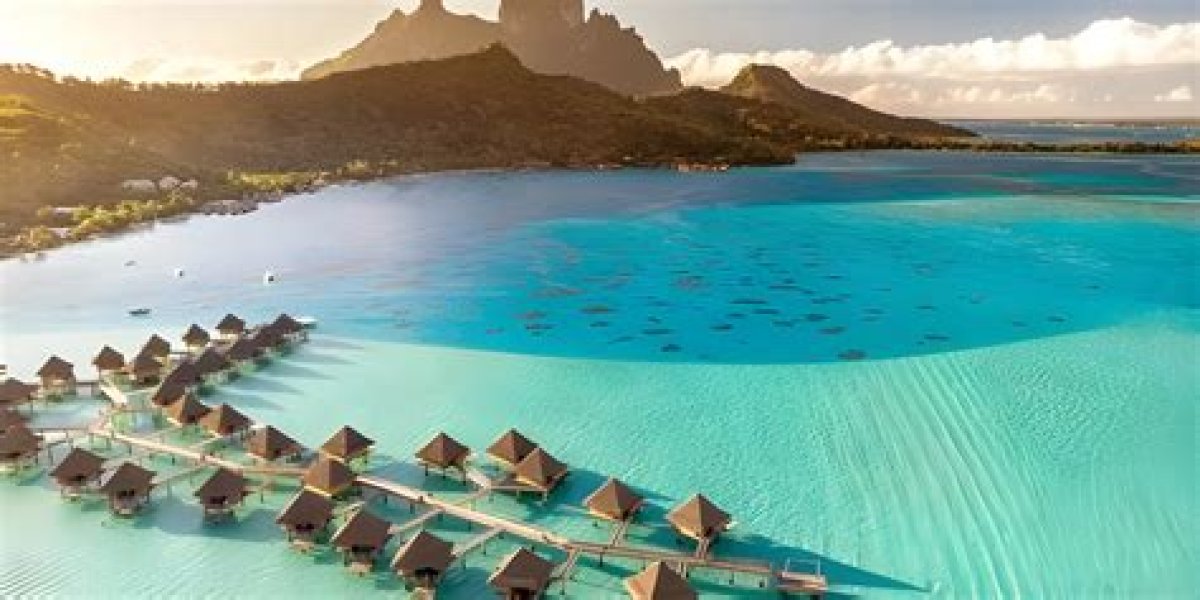
Islander Tahiti is a breathtaking destination that captivates the hearts of travelers from around the globe. Known for its stunning landscapes, vibrant culture, and warm hospitality, Tahiti offers a unique blend of relaxation and adventure. In this extensive guide, we will delve into the various aspects of Islander Tahiti, including its history, culture, attractions, and practical tips for visitors. Whether you are planning a holiday or simply curious about this tropical paradise, this article will provide you with valuable insights and information.
With its crystal-clear waters, lush greenery, and rich cultural heritage, Islander Tahiti stands out as a premier travel destination. The island is the largest in French Polynesia and serves as a gateway to exploring other nearby islands, making it a popular choice among travelers seeking both relaxation and exploration. In addition to its natural beauty, Tahiti is deeply rooted in Polynesian culture, offering visitors a chance to immerse themselves in a vibrant way of life.
In the following sections, we will explore the key features of Islander Tahiti, including its geographical significance, cultural landmarks, popular activities, and practical travel information. Our aim is to equip you with the knowledge needed to make the most of your visit to this enchanting island.
1. Geography of Islander Tahiti
Islander Tahiti is located in the South Pacific Ocean and is part of French Polynesia. The island is characterized by its volcanic origin, which has given rise to its dramatic mountains and pristine beaches. The landscape is adorned with lush rainforests, cascading waterfalls, and coral reefs, making it a true paradise for nature lovers.
The island covers an area of approximately 1,045 square kilometers and is surrounded by a lagoon that is home to a diverse range of marine life. Tahiti is divided into two main parts: Tahiti Nui (the larger, western part) and Tahiti Iti (the smaller, eastern part). Each area offers unique attractions and experiences for visitors.
Key Geographical Features
- Mount Orohena: The highest peak in Tahiti, reaching an elevation of 2,241 meters.
- Lagoon of Tahiti: A stunning body of water that is perfect for snorkeling and diving.
- Black Sand Beaches: Unique beaches formed from volcanic ash, such as Papenoo Beach.
2. History of Tahiti
The history of Islander Tahiti is rich and diverse, dating back over 2,000 years. The island was first inhabited by Polynesian settlers who arrived by canoe, bringing with them their customs, traditions, and agricultural practices. Over time, Tahiti became a significant cultural and political center in the region.
In the late 18th century, Tahiti gained international attention when British explorer Captain James Cook visited the island. This led to increased European interest, trade, and cultural exchange. However, the arrival of Europeans also brought challenges, including disease and colonization.
Modern History
In the 20th century, Tahiti became a territory of France and has since developed into a thriving tourist destination. The island has maintained its unique cultural identity while embracing modernity, making it an appealing place for both locals and visitors.

