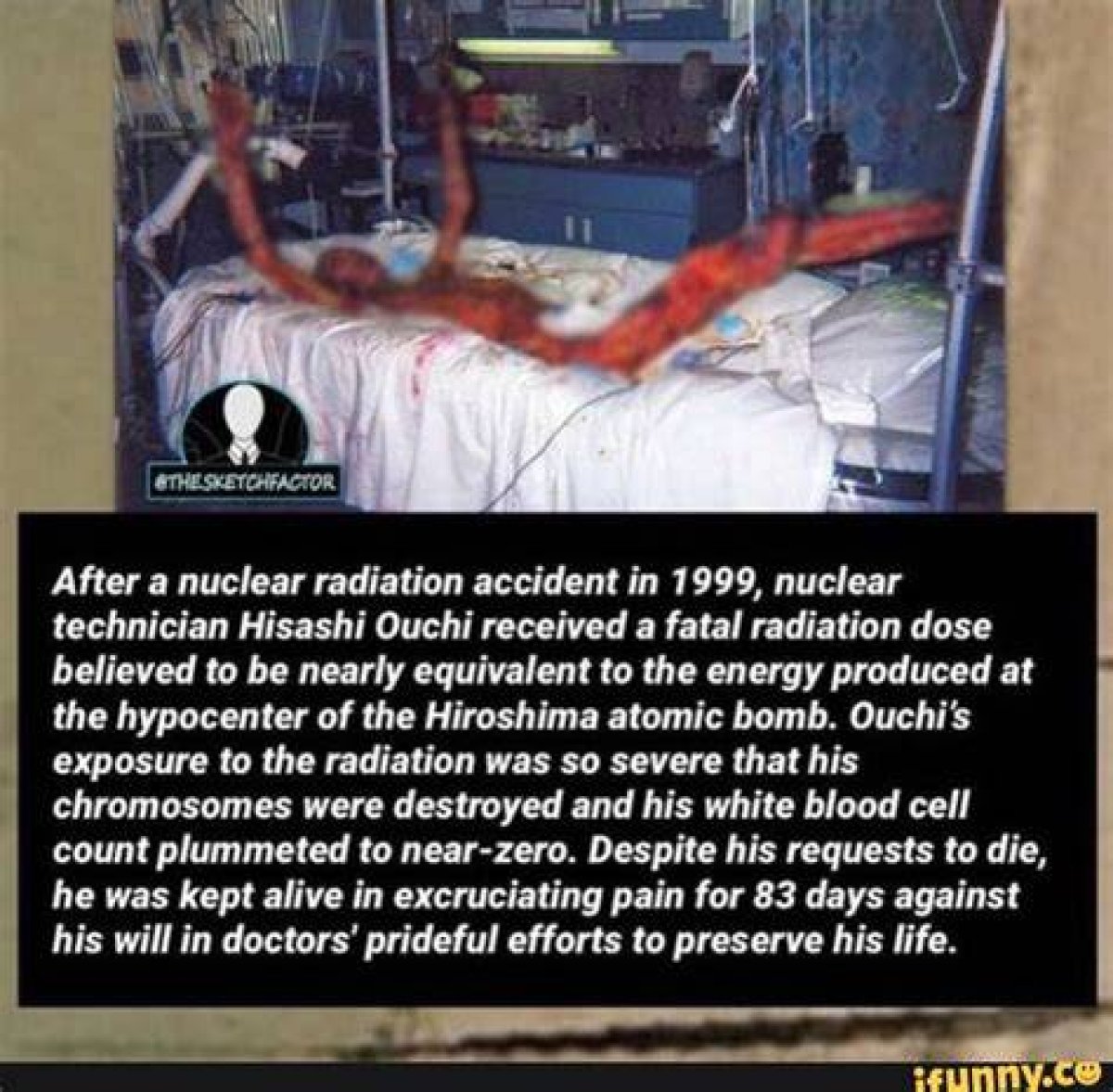
Hisashi Ouchi is a name that resonates deeply with the realities of nuclear accidents and the human spirit. He was a victim of one of the most catastrophic nuclear accidents in history—the Tokaimura nuclear accident of 1999. Ouchi's story is not just about survival but also about the resilience of the human body and spirit even in the face of overwhelming adversity. This article delves into the life of Hisashi Ouchi after the accident that changed everything for him and those who cared for him.
On September 30, 1999, Hisashi Ouchi, along with two other workers, was involved in a criticality accident at the JCO uranium processing facility in Tokaimura, Japan. This accident released a significant amount of radiation, leading to severe health consequences for Ouchi and his colleagues. The media attention surrounding the incident highlighted not only the technical failures that led to the disaster but also the personal stories of those who suffered as a result. Understanding what happened to Ouchi after the accident offers us a profound insight into the medical, ethical, and emotional complexities that arise in the aftermath of such tragedies.
In the years that followed, Hisashi Ouchi became a symbol of the risks associated with nuclear energy, as well as the ongoing debates surrounding safety regulations in the nuclear industry. His experiences raised questions about medical ethics and the lengths to which healthcare professionals should go to save a life, even when the prognosis is bleak. This article aims to explore the journey of Hisashi Ouchi after the accident, examining his health, the care he received, and the impact of his story on society as a whole.
What Happened to Hisashi Ouchi After the Accident?
Following the Tokaimura nuclear accident, Hisashi Ouchi was admitted to the hospital where he received urgent medical attention for his acute radiation syndrome. The extent of his injuries was severe, and he faced numerous challenges in the aftermath. But what exactly transpired during his hospital stay?
Hisashi Ouchi’s Hospital Journey
Ouchi’s hospital journey was marked by a series of medical interventions aimed at treating his radiation exposure. Doctors employed various treatments, including blood transfusions and other experimental therapies, to support his failing organs.
- **Acute Radiation Syndrome**: Hisashi Ouchi suffered from severe symptoms, including vomiting, diarrhea, and hair loss.
- **Medical Treatments**: An aggressive treatment plan was initiated, including the use of antibiotics and other medications to combat infections.
- **Experimental Therapies**: Some treatments were deemed experimental, and ethical questions arose regarding their use in Ouchi's case.
How Did Hisashi Ouchi’s Condition Progress?
As days turned into weeks, Hisashi Ouchi’s condition fluctuated between slight improvements and severe setbacks. The medical team worked tirelessly to stabilize him, but the prognosis remained grim. How did his family cope with the ongoing situation?
What Impact Did Hisashi Ouchi’s Case Have on Society?
The implications of the Tokaimura nuclear accident were profound, not just for Ouchi but for the entire nuclear industry and society at large. Hisashi Ouchi's case sparked discussions about safety regulations and the ethical considerations of medical care for severely injured patients.
Changes in Nuclear Regulations
As a direct consequence of the Tokaimura accident, the Japanese government implemented stricter regulations and safety protocols in the nuclear industry. This was crucial for preventing similar incidents in the future.
What Were the Ethical Considerations?
The ethical dilemmas surrounding Ouchi's treatment raised questions about the limits of medical intervention. Were the risks justified, and how much suffering should be tolerated in pursuit of life-saving measures?

