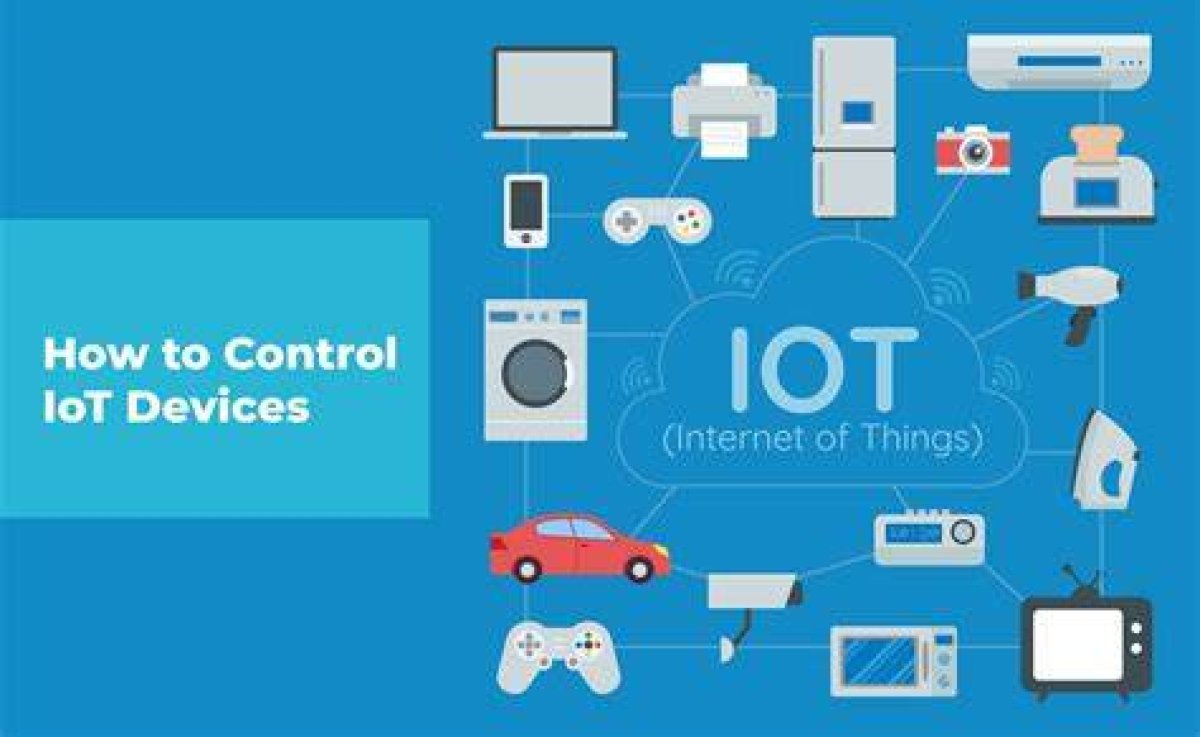
In today's interconnected world, the ability to control IoT devices from anywhere using Android has become a game-changer for both individuals and businesses. The Internet of Things (IoT) has revolutionized how we interact with technology, making it possible to manage smart homes, monitor industrial equipment, and automate processes remotely. Whether you're a tech enthusiast or a business owner, understanding how to leverage IoT device control through Android is essential.
IoT technology continues to evolve at an impressive pace, offering users unprecedented convenience and efficiency. With Android smartphones becoming ubiquitous, the integration of IoT devices with Android platforms provides a seamless experience for users. This guide explores the various aspects of controlling IoT devices from anywhere using Android, including setup, security considerations, and practical applications.
This article is crafted to provide comprehensive insights into IoT device control, ensuring that readers gain valuable knowledge to enhance their technological capabilities. By the end of this guide, you will have a clear understanding of how IoT devices work with Android and how to implement them effectively in your daily life or business operations.
Introduction to IoT Devices
What Are IoT Devices?
IoT devices refer to a vast network of interconnected objects embedded with sensors, software, and connectivity capabilities. These devices communicate and exchange data over the internet, enabling users to control and monitor them remotely. Examples of IoT devices include smart thermostats, security cameras, wearable health trackers, and industrial sensors.
Types of IoT Devices
IoT devices can be categorized into several types based on their functions and applications:
- Smart Home Devices: Includes smart lights, locks, and appliances.
- Wearable Devices: Such as fitness trackers and smartwatches.
- Industrial IoT Devices: Used for monitoring and controlling machinery in factories.
- Healthcare IoT Devices: Devices for remote patient monitoring and health data collection.
Understanding the different types of IoT devices helps users choose the right solutions for their needs. The integration of these devices with Android platforms offers unparalleled flexibility and control.
Android and IoT Integration
Why Choose Android for IoT?
Android is one of the most popular operating systems globally, making it an ideal platform for IoT device integration. Its open-source nature allows developers to create custom applications that cater to specific IoT needs. Additionally, Android's compatibility with a wide range of devices ensures seamless connectivity and control.
Key Features of Android IoT
Android provides several key features that enhance IoT device control:
- Cloud Integration: Android supports cloud services, enabling users to store and access IoT data remotely.
- Real-Time Monitoring: Android apps can provide real-time updates on IoT device performance and status.
- Customization: Users can tailor Android apps to suit their specific IoT requirements.
These features make Android a powerful tool for managing IoT devices from anywhere in the world.

