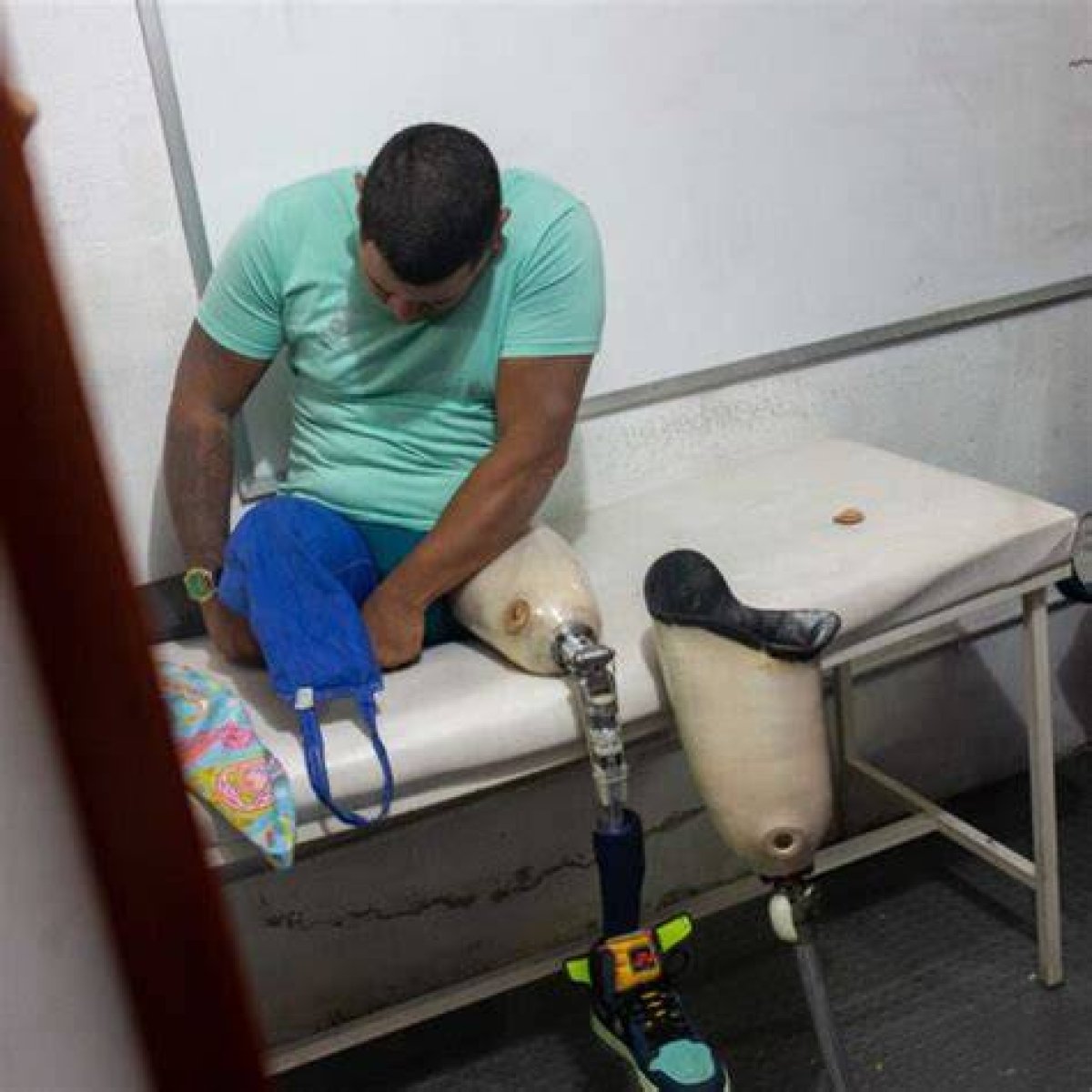
The decision to undergo a leg amputation is never an easy one, particularly for athletes and active individuals like Mason. The keyword 'Mason leg amputated surgery' highlights a significant medical procedure that can drastically change a person's life. Understanding the reasons behind such a surgery, the procedure itself, and the recovery process is crucial for both patients and their families.
Leg amputation may arise due to severe injuries, chronic diseases, or infections that cannot be treated through other means. This article aims to provide a comprehensive overview of Mason's leg amputation surgery, focusing on its implications, the surgical process, and the journey toward rehabilitation and recovery. By delving into this topic, we hope to shed light on the emotional and physical aspects of leg amputations and how individuals can adapt to their new circumstances.
As we explore Mason's story, we will discuss the importance of expert medical advice, the authority of healthcare professionals, and the trustworthiness of medical information surrounding amputations. This article not only aims to educate but also to empower those facing similar situations by providing reliable insights into what to expect during and after surgery.
2. What is Leg Amputation?
Leg amputation is a surgical procedure that involves the removal of a leg or a part of a leg. This procedure is typically performed when the leg is severely damaged or infected and cannot be saved. The surgery can be classified into several types:
- Above-knee amputation (transfemoral): Removal of the leg above the knee joint.
- Below-knee amputation (transtibial): Removal of the leg below the knee joint.
- Partial foot amputation: Removal of a portion of the foot, often due to diabetic complications.
3. Why is Leg Amputation Performed?
There are several medical conditions that may necessitate leg amputation:
- Severe trauma: Accidents that result in irreparable damage to the leg.
- Infections: Bacterial or fungal infections that threaten the health of the leg.
- Circulatory issues: Conditions such as peripheral artery disease (PAD) that restrict blood flow.
- Diabetes: Complications from diabetes can lead to neuropathy and foot ulcers.

