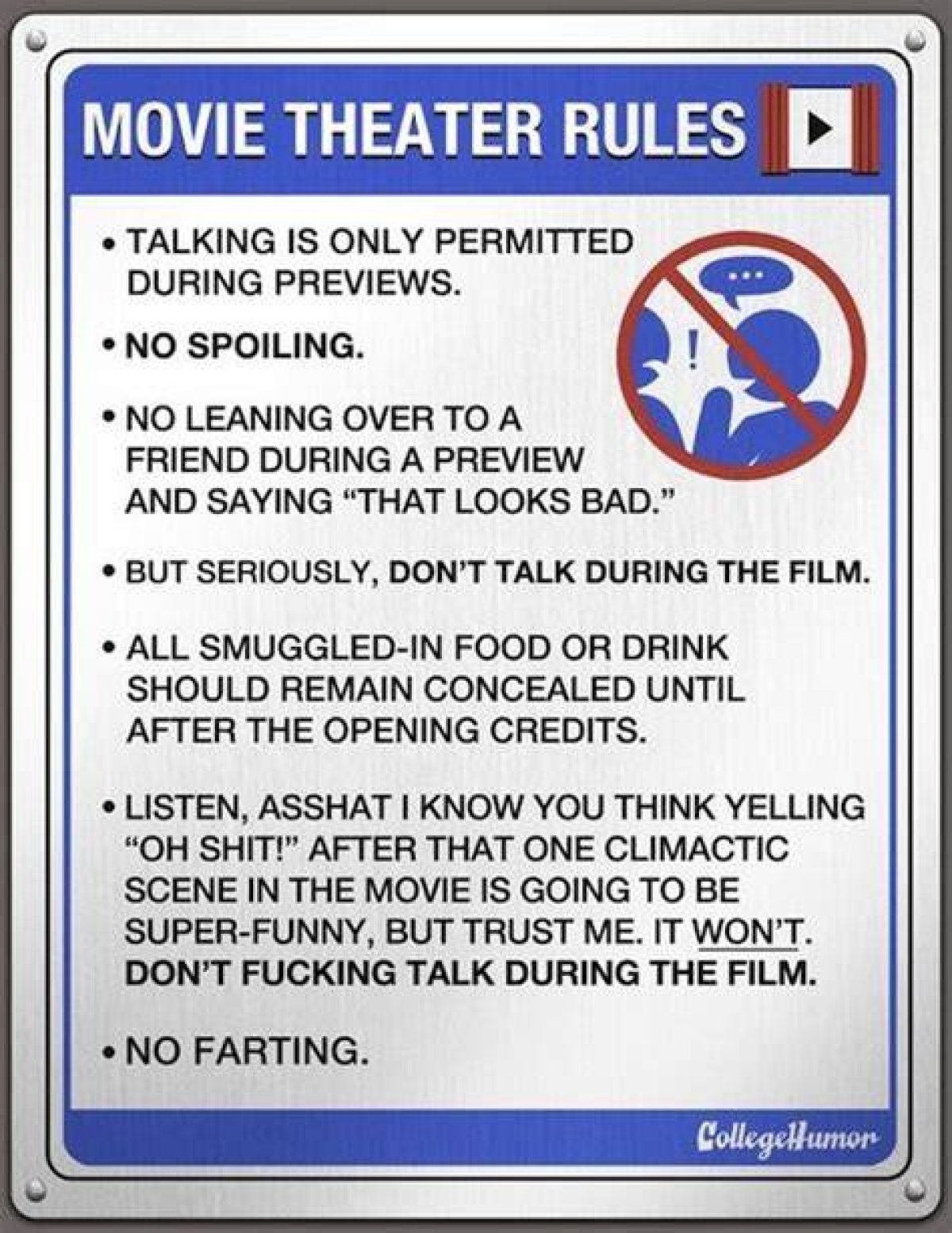
So, you've probably heard about movie rules and wondered what they're all about. Maybe you've seen that little rating at the start of a film—PG, R, NC-17—or maybe you're curious about why certain scenes get cut out or edited before hitting the big screen. Well, buckle up because we’re diving deep into the world of film regulations. This isn’t just about censorship; it’s about understanding how these rules shape the movies we love and why they matter in today’s entertainment landscape.
Let’s face it: movies are more than just entertainment. They’re cultural reflections, art forms, and sometimes even political statements. But with great power comes great responsibility, right? That’s where movie rules come in. These guidelines help ensure that films are appropriate for their target audiences, protect creators' rights, and maintain ethical standards across the industry.
Now, this guide isn’t just for filmmakers or cinephiles. Whether you’re a curious moviegoer or someone who wants to know why certain films carry specific ratings, this article has got you covered. We’ll break down everything from classification systems to international regulations and everything in between. So grab your popcorn, hit pause on Netflix, and let’s explore the fascinating world of movie rules together.
What Are Movie Rules?
Alright, let’s start with the basics. Movie rules, or film regulations, refer to the guidelines and laws that govern how movies are produced, distributed, and consumed. Think of them as the rulebook for filmmakers, distributors, and even audiences. These rules cover everything from content restrictions to copyright protections and classification ratings.
Here’s the deal: movie rules aren’t one-size-fits-all. Different countries have different systems, and even within the same country, regulations can vary depending on the platform—cinemas, streaming services, or TV broadcasts. But at their core, these rules aim to ensure that films are suitable for their intended audiences while protecting creators' rights and maintaining public safety.
So, what exactly do these rules entail? Let’s break it down:
- Content guidelines: Restrictions on violence, language, nudity, and drug use.
- Classification ratings: Systems like G, PG, R, and NC-17 that guide audience expectations.
- Copyright protections: Laws that safeguard filmmakers' intellectual property.
- Distribution regulations: Rules governing how films are released and marketed.
Why Are Movie Rules Important?
Movie rules play a crucial role in shaping the film industry. They help protect vulnerable audiences, like children, from inappropriate content. At the same time, they ensure that filmmakers have the freedom to express themselves while adhering to legal and ethical standards. Without these rules, the film industry could become a wild west of unchecked creativity—or worse, exploitation.
Film Classification Systems
Now, let’s talk about one of the most visible aspects of movie rules: classification systems. You’ve probably seen those letters before a movie starts—G, PG, R, NC-17—but what do they really mean? Classification systems are designed to inform audiences about the suitability of a film based on its content.
In the U.S., the Motion Picture Association (MPA) is responsible for assigning ratings. Here’s a quick breakdown:
- G: General audiences. All ages admitted.
- PG: Parental guidance suggested. Some material may not be suitable for children.
- PG-13: Parents strongly cautioned. Some material may be inappropriate for children under 13.
- R: Restricted. Under 17 requires accompanying parent or adult guardian.
- NC-17: No one 17 and under admitted.
But wait, there’s more! Different countries have their own classification systems. For example, the UK uses the British Board of Film Classification (BBFC), while Australia has its own system. These variations reflect cultural differences and local norms, making classification a fascinating area of study.
How Are Ratings Determined?
Ratings aren’t random. They’re based on a combination of factors, including:
- Language: Profanity and offensive language.
- Violence: Graphic or disturbing scenes.
- Nudity: Sexual content or suggestive material.
- Drug use: Depictions of substance abuse.
These factors are evaluated by boards of experts who consider the context and impact of the content. It’s a balancing act between artistic expression and audience protection.

