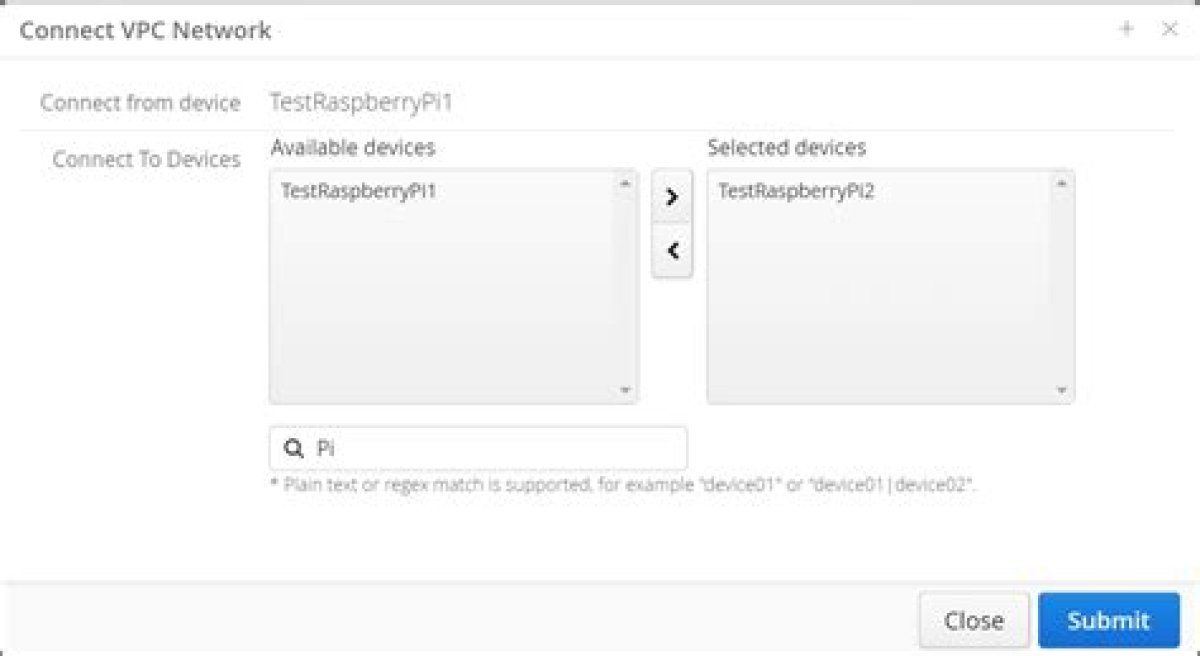
In today's digital age, securely connect remote IoT VPC Raspberry Pi download windows is a crucial concept for businesses and tech enthusiasts alike. As more devices become interconnected, ensuring secure communication and data transfer is essential. This guide will provide you with an in-depth understanding of how to secure your IoT devices while connecting them remotely through a Virtual Private Cloud (VPC) using Raspberry Pi.
As the Internet of Things (IoT) continues to grow, so does the need for secure connectivity. Whether you're managing smart home devices or industrial automation systems, ensuring secure remote access is vital to protect sensitive data and maintain operational integrity. This article will walk you through the steps to establish a secure connection between your IoT devices, VPC, and Raspberry Pi, along with downloading necessary software on Windows.
Our focus is not only on providing technical guidance but also ensuring compliance with best practices for cybersecurity. By the end of this article, you'll have a clear understanding of the tools, configurations, and security measures required to create a robust and secure IoT environment. Let's dive into the details.
Overview of IoT Security
Why IoT Security Matters
IoT security is more than just protecting devices; it's about safeguarding the entire ecosystem. As more devices connect to the internet, the risk of cyberattacks increases exponentially. According to a report by Gartner, the number of IoT devices is projected to reach 25 billion by 2030. This rapid growth underscores the importance of implementing robust security measures.
Common threats to IoT devices include unauthorized access, data breaches, and malware infections. To mitigate these risks, organizations must adopt a multi-layered security strategy that includes encryption, authentication, and regular firmware updates.
Securely Connect Remote IoT Devices
Securing remote IoT devices involves several key steps. First, ensure that all devices are authenticated before granting access. Use strong passwords and multi-factor authentication (MFA) whenever possible. Additionally, implement encryption protocols such as TLS (Transport Layer Security) to protect data in transit.
Regularly update device firmware to patch known vulnerabilities. This proactive approach helps prevent attackers from exploiting outdated software. Monitoring network traffic for unusual activity is another critical component of IoT security.
Raspberry Pi's Role in IoT
What is Raspberry Pi?
Raspberry Pi is a small, affordable computer that has become a popular choice for IoT projects. Its versatility, combined with a wide range of input/output (I/O) capabilities, makes it an ideal platform for connecting and controlling various devices.
Raspberry Pi supports multiple operating systems, including Raspbian, Ubuntu, and Windows IoT Core. This flexibility allows developers to choose the best environment for their specific use case. Additionally, Raspberry Pi's open-source nature encourages innovation and collaboration within the developer community.
Using Raspberry Pi for Secure IoT Connections
Raspberry Pi can be configured to act as a secure gateway for IoT devices. By setting up a firewall and enabling encryption, you can ensure that only authorized devices can communicate with your network. Raspberry Pi can also run lightweight server applications, such as SSH (Secure Shell) and MQTT (Message Queuing Telemetry Transport), which facilitate secure data exchange.
For example, you can configure Raspberry Pi to act as an MQTT broker, allowing IoT devices to publish and subscribe to messages securely. This setup enables real-time communication between devices while maintaining data integrity.

